
Audio
Listen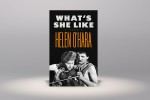
Helen O'Hara on BBC Radio Scotland
Helen O’Hara talks to Nicola Meighan on BBC Radio Scotland’s Afternoon Show about her life, work and...
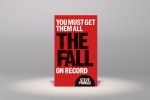
Steve Pringle on Oh Brother Podcast
Steve Pringle guests on the Oh! Brother podcast with hosts Steve and Paul Hanley. (1:00:05)...
Paul Hanley on Late Night Book Club
Paul Hanley on Gideon Coe’s Late Night Book Club on BBC Radio 6 Music talking Hex Enduction Hour and...
Selected reviews
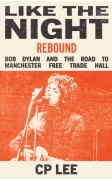
CP Lee was there, but the point is, he can put you there too. ..
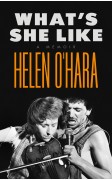
An extraordinary story needs an extraordinary storyteller. What's She Like delivers on both fronts. I found it utterly inspiring...
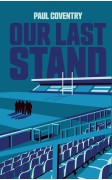
What an excellent story, told truthfully and from the heart. Well done Paul for bringing this story to the public and well done to the Stand Gang for stepping up to the mark and completing a magnificent job...
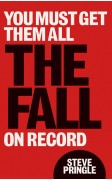
You Must Get Them All is the yardstick by which all future books on the band will be judged and the bible for those worshipping at the Church of The Fall, past, present and future. This book will be one that I go back to time and time again...
Selected titles
Books
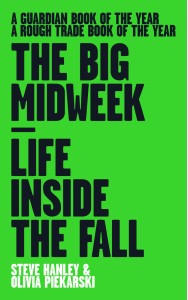
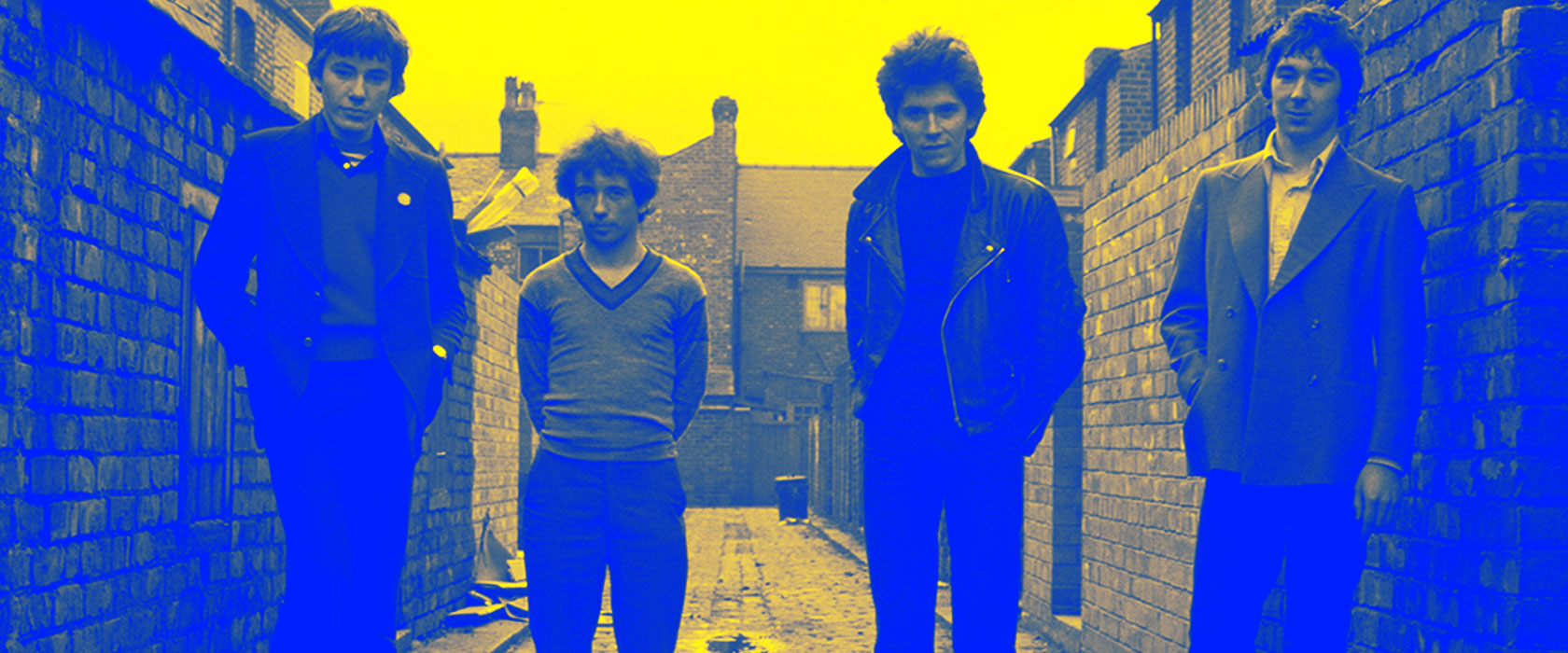
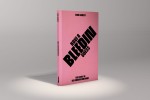
The Big Midweek: Life Inside The Fall
Steve Hanley, Olivia Piekarski
Steve Hanley's memoir give unprecedented insight into the intense, highly-charged creative atmosphere within The Fall and their relentless work ethic.
Read More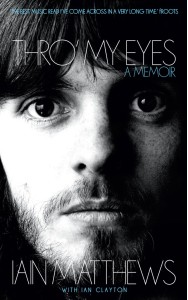
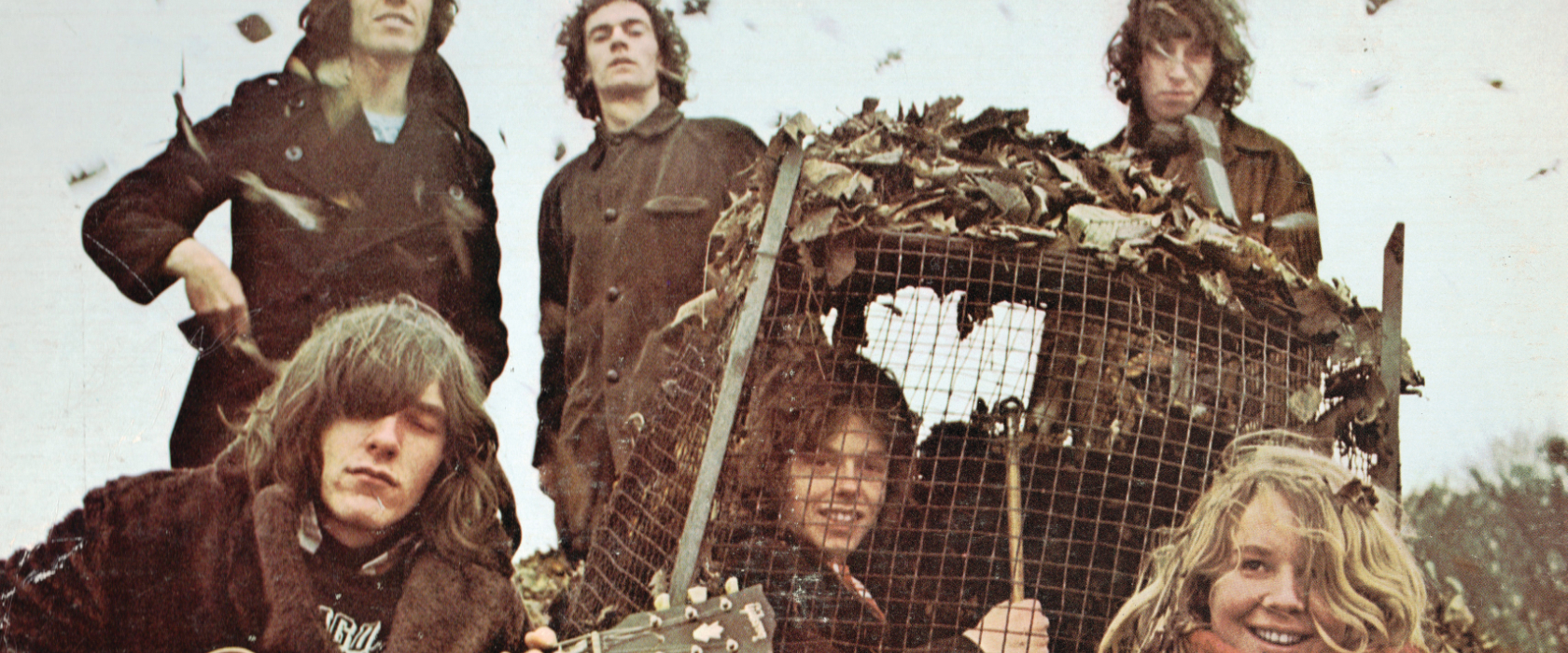
Thro My Eyes: A Memoir
A memoir by Iain Matthews, one of the music industry’s great survivors. He has been making pitch-perfect records for over fifty years.
Read More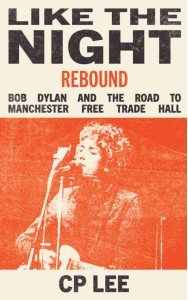
Like The Night (Rebound)
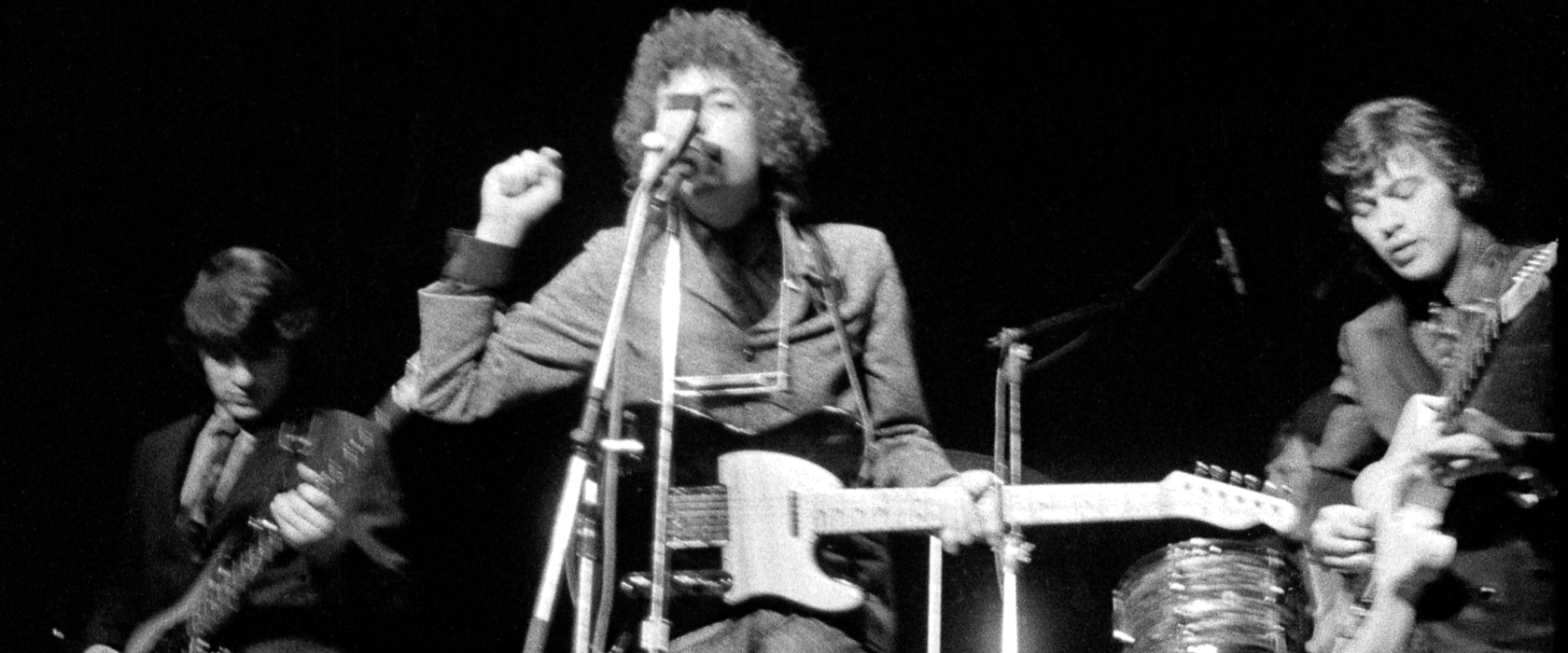
CP Lee's highly-acclaimed account of Bob Dylan's pivotal 1966 concert at Manchester’s Free Trade Hall, the one where someone cried 'Judas' at Dylan for turning his back on folk music in favour of rock 'n' roll.
Read More

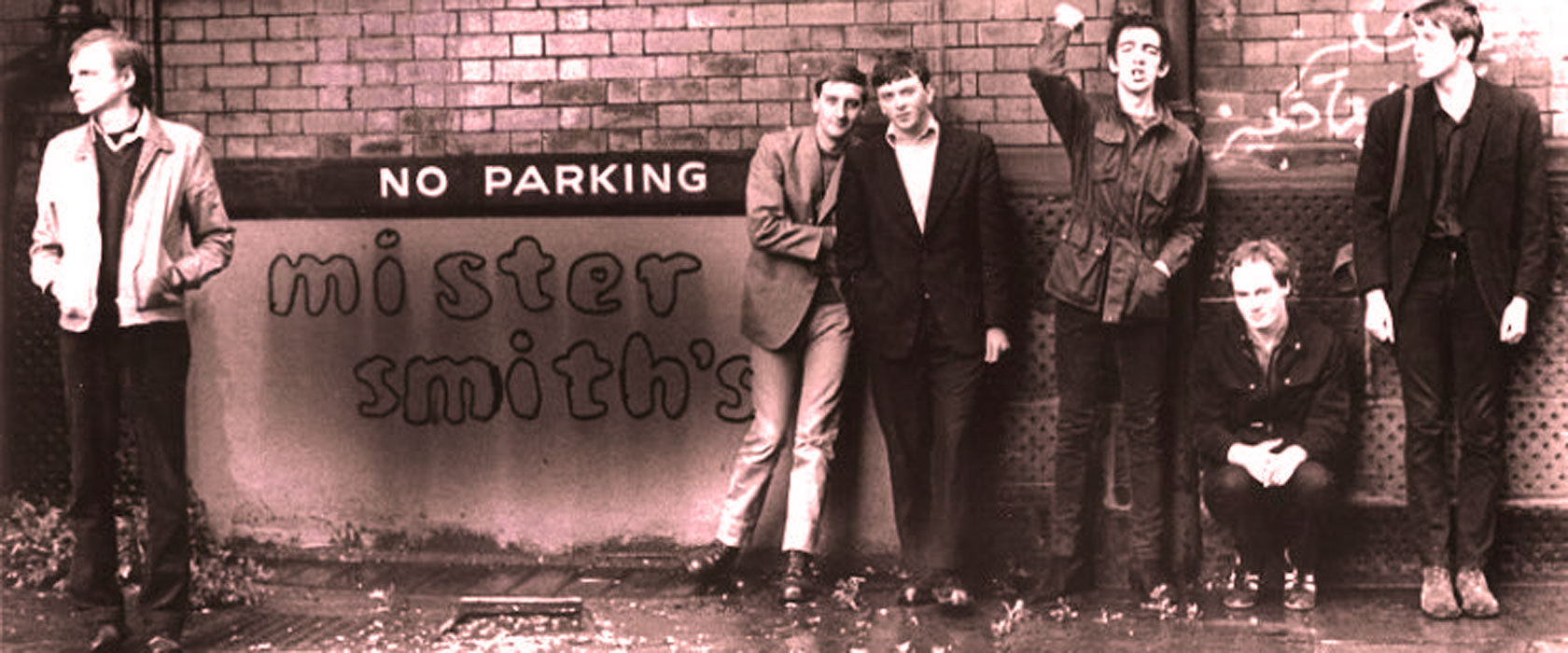
Das Gruppe on the Wall
A pocket book that tells the story of The Fall at Band on the Wall, an historic venue in Manchester. Briefly, this was a marriage made in heaven.
Read MoreSelected features
Blog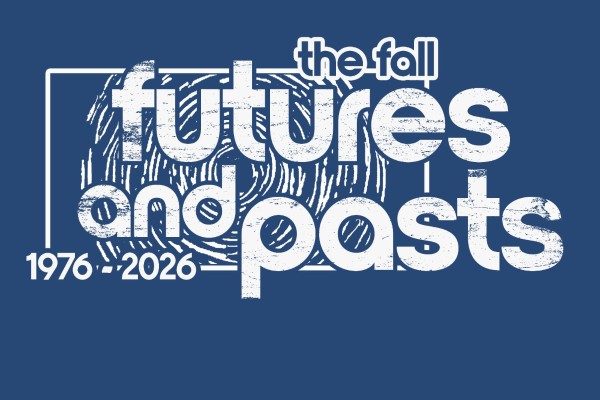
The Fall Futures and Pasts Festival Information
Information on the The Fall Futures and Pasts Festival: A Celebration of Fifty Years of The Fall..
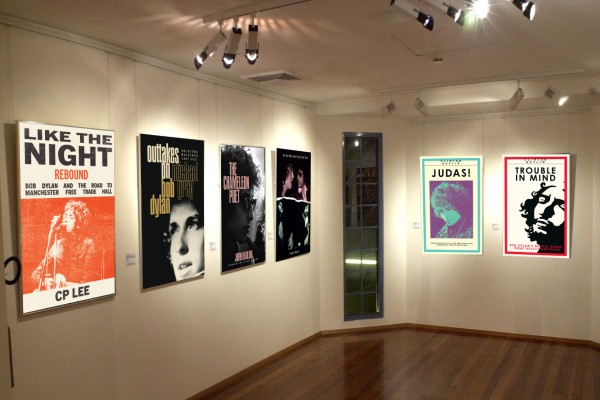
A Route To Bob Dylan
Route's Bob Dylan titles and authors...
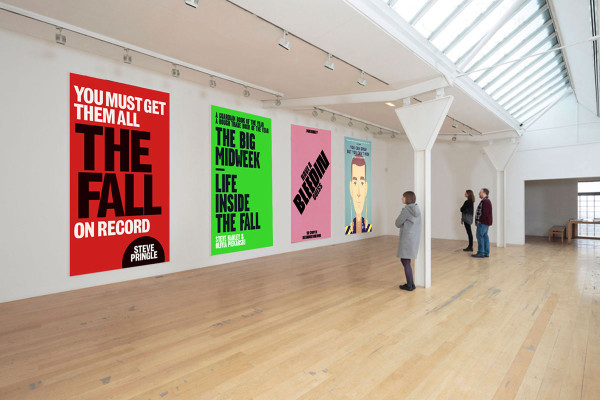
A Route To The Fall
Route's Fall Titles..